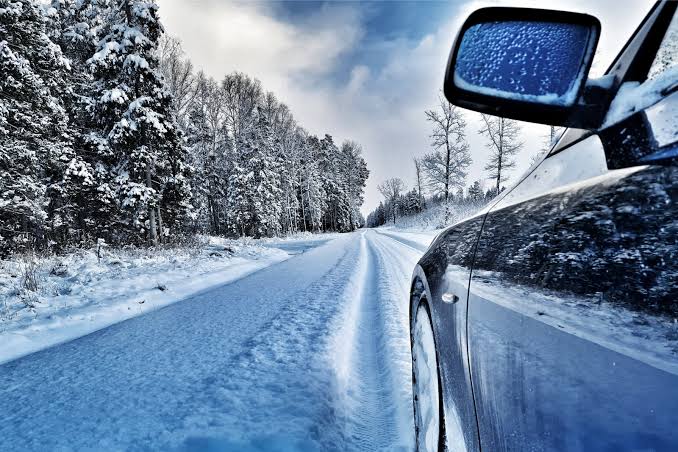
Cold weather reduces traction, increases starting demands, and can turn minor maintenance issues into serious travel delays. Preparing for winter road trips means checking tires, battery condition, fluids, visibility equipment, and emergency supplies before roads become icy or temperatures drop sharply.
A winter-ready vehicle also needs a winter-ready travel plan because weather can change faster than the car’s condition.
Start With Tires and Traction
Tires are the vehicle’s direct connection with the road. Inspect tread depth, pressure, cracking, uneven wear, and general condition before traveling into snow, ice, or prolonged cold weather.
Tire pressure commonly changes as temperatures fall, so regular checks become important. Broader family travel planning may help organize a trip, but suitable tire condition and appropriate equipment for expected road conditions come first.
Match Equipment to the Route
Winter tire, snow-chain, or traction-device requirements vary by road and jurisdiction. Check official transportation information for the route rather than assuming equipment that works at home will satisfy conditions everywhere.
Test the Battery Before Cold Weather Tests It
Cold starts require more from a battery, while a battery already weakened by age or internal deterioration may provide less usable power. Slow cranking, dim lights during startup, repeated jump starts, or inconsistent electrical behavior deserve attention.
Drivers who need professional inspection can compare automotive support options, but waiting for a battery to fail completely is rarely a good winter strategy.
| Winter Item | Check | Reason |
|---|---|---|
| Tires | Tread, pressure, damage | Maintains available traction |
| Battery | Starting strength, terminals | Supports reliable cold starts |
| Washer system | Fluid and spray operation | Keeps windshield usable |
| Wipers | Blade condition | Clears snow and road spray |
Check Fluids and Visibility Equipment
Use windshield washer fluid suitable for the temperatures expected along the trip. Water or an unsuitable mixture may freeze, leaving the windshield difficult to clean when salt, slush, and road spray reduce visibility.
Coolant protection also needs to match the vehicle and climate. Before departure, family trip planning can help organize stops and timing while weather forecasts and official road reports should guide actual route decisions.
Make sure headlights, brake lights, defrosters, heaters, mirrors, and wipers work correctly.
Pack for Delays, Not Only the Destination
A winter journey may take much longer than planned if roads close or traffic stops. Carry warm clothing, drinking water, suitable food, charging equipment, a flashlight, gloves, and emergency warning gear.
Routes through remote or severe winter areas may call for blankets, a shovel, traction aids, or other region-specific equipment. Keep important supplies inside the passenger area when possible rather than somewhere difficult to reach.
Winter Mistakes That Create Avoidable Trouble
Clearing only a small viewing hole in an icy windshield is dangerous because it severely limits visibility. Remove snow and ice properly from windows, mirrors, lights, and relevant exterior surfaces before driving.
Another mistake is trusting all-wheel drive as if it improves every part of winter performance. It may help a vehicle accelerate in slippery conditions, but tires, available traction, speed, steering inputs, and braking distance still matter when slowing or turning.
Frequently Asked Questions
How often should tire pressure be checked in winter?
Check it regularly and before long journeys, especially after significant temperature changes. Use the manufacturer’s recommended cold-tire pressure and inspect for leaks if one tire repeatedly loses more air than the others.
Does a newer battery need to be tested before winter travel?
Age isn’t the only factor affecting battery performance. If starting behavior is unusual, electrical problems have appeared, or the vehicle has been sitting for long periods, testing may still be worthwhile.
What should I do before driving into snow?
Check official weather and road conditions, confirm the vehicle and tires are suitable, clear visibility surfaces completely, carry appropriate emergency equipment, and reconsider the trip if conditions exceed your experience or the vehicle’s capability.
Prepare for the Delay You Don’t Expect
Winter travel becomes easier when the vehicle isn’t already dealing with weak tires, a questionable battery, poor visibility, or unsuitable fluids. Inspect those essentials before departure and pack enough equipment for an unexpected stop. Good preparation won’t remove winter weather, but it gives you more options when conditions become difficult.