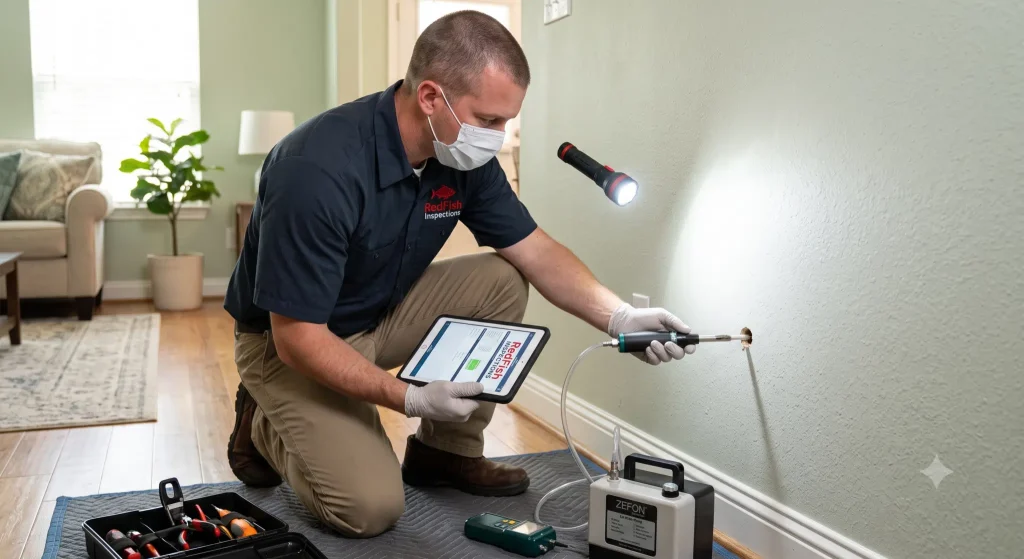
Luxury buyers often inspect far beyond visible finishes because the cost of hidden problems rises quickly in large, complex homes. Multiple HVAC zones, pools, elevators, generators, smart-home systems, guest structures, specialty roofs, extensive landscaping, and high-end appliances can turn a routine inspection into a coordinated due-diligence project. For an additional real-estate planning perspective, land and property research can help connect the immediate choice with longer-term property goals.
Five Inspection Companies to Compare Before a Luxury Sale
Sellers benefit from preparing records before the inspection window opens. Service logs, permits, warranties, equipment manuals, repair invoices, roof information, pool records, generator maintenance, and smart-system documentation can reduce confusion. A clean inspection does not mean every component is new; it means the buyer receives a clear picture of condition, maintenance, and known limitations.
A general home inspector can evaluate many major systems, but a luxury property may require separate specialists for pools, elevators, septic systems, wells, structural concerns, chimneys, docks, generators, or advanced automation. Confirm the scope in writing instead of assuming one inspection covers everything.
1. Pillar To Post Home Inspectors
Pillar To Post provides home inspections through a large network of local teams. Standard inspections cover major home structures and systems, while additional services depend on the local office and property. In practical terms, ask which parts of a large or technically complex home fall within the standard inspection, which specialty services the local office offers, and when separate licensed specialists should be brought in.
2. WIN Home Inspection
WIN Home Inspection serves buyers, sellers, and owners with home inspections and a range of specialty services. Local inspectors may use tools such as infrared imaging, drones, radon monitors, or scope cameras where appropriate. For this decision, ask which parts of a large or technically complex home fall within the standard inspection, which specialty services the local office offers, and when separate licensed specialists should be brought in. For readers tracking how the surrounding market may affect the decision, market and housing insights offers another useful point of reference.
3. AmeriSpec
AmeriSpec operates a broad franchise network for residential and commercial inspections. Its residential service reviews major home systems and may be supplemented by specialty inspections that vary by location. When comparing this provider, ask which parts of a large or technically complex home fall within the standard inspection, which specialty services the local office offers, and when separate licensed specialists should be brought in.
4. National Property Inspections
National Property Inspections provides residential and commercial inspection services through independently operated local businesses across many U.S. states. Reports focus on accessible components and major building systems. Its value here depends on execution, so ask which parts of a large or technically complex home fall within the standard inspection, which specialty services the local office offers, and when separate licensed specialists should be brought in.
5. HouseMaster
HouseMaster is a long-running home-inspection brand with local offices in the United States and Canada. Buyer inspections can cover the main structure and systems, with additional specialty services available in some locations. For a high-value property, ask which parts of a large or technically complex home fall within the standard inspection, which specialty services the local office offers, and when separate licensed specialists should be brought in.
How Should Sellers Prepare for a Detailed Buyer Inspection?
Make every accessible system accessible. Clear electrical panels, attic entries, mechanical rooms, crawl spaces, pool equipment, control panels, and utility shutoffs. Replace simple maintenance items when appropriate, but do not conceal defects or make rushed cosmetic repairs that create questions about what was covered up.
Provide documentation in an organized package. A buyer is more likely to understand an older roof, generator, elevator, or HVAC system when there is a visible maintenance history. If a known issue remains unresolved, discuss it with the listing team before the inspection so the response is factual and consistent. A broader luxury-residential perspective from luxury property inspiration can be useful when presentation, lifestyle, and long-term appeal all matter.
Frequently Asked Questions
Do luxury homes need more than a standard home inspection?
Often they do. Large or unusual properties may have systems outside a typical inspection scope, such as pools, elevators, wells, septic systems, docks, generators, complex automation, or specialty roofing. Buyers should confirm which specialists are appropriate.
Should a seller order a pre-listing inspection on a luxury home?
It can help identify surprises and organize repairs before marketing, but it is not right for every transaction. Sellers should discuss disclosure obligations, timing, and strategy with qualified local professionals before ordering one.
What records should be ready for inspectors and buyers?
Useful records can include permits, warranties, service invoices, equipment manuals, roof work, pool service, generator maintenance, pest treatment, renovation documents, and smart-home system information. Keep the package factual and current.
Make Complexity Easier to Verify
Luxury buyers are less likely to be reassured by polished finishes alone when the property contains expensive systems behind the walls. Sellers can reduce friction by making access easy, organizing records, addressing obvious maintenance, and accepting that some systems deserve specialist review. Preparation creates confidence without trying to control the inspection outcome.