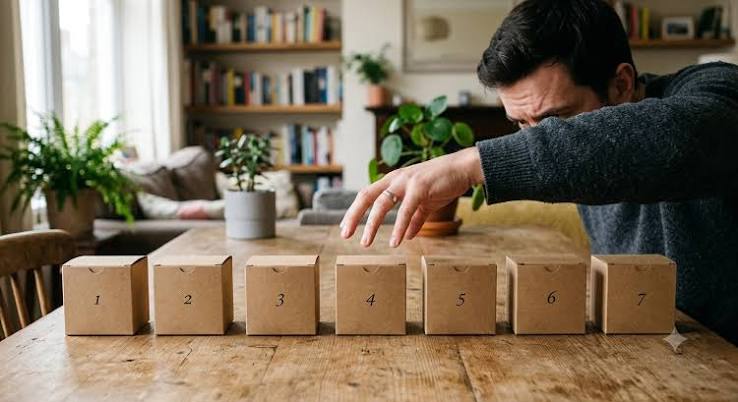
A restaurant menu with fifty dishes sounds more exciting than one with ten. A streaming platform offering thousands of movies seems better than a small collection of favorites. Even shopping has become an endless exercise in comparing brands, prices, features, and customer reviews. Yet, despite having more choices than previous generations, people often find themselves spending more time deciding what to do than actually enjoying their decisions.
Modern life encourages the belief that variety automatically creates excitement. However, having too many possibilities can sometimes make ordinary experiences unnecessarily complicated. Instead of increasing satisfaction, excessive choice can introduce hesitation, unrealistic expectations, and the constant feeling that something better might be available elsewhere. Understanding this relationship can help people appreciate simplicity without sacrificing meaningful experiences.
The Difference Between Having Choices and Enjoying Them
Choice is valuable because it allows people to express their preferences and make decisions that suit their circumstances. Problems begin when the number of available alternatives exceeds what someone can comfortably evaluate. Choosing between three restaurants might take a few minutes, while comparing thirty restaurants can turn a casual dinner into an exhausting research project.
This situation appears in many areas of everyday life, including entertainment, clothing, education, and personal relationships. People sometimes assume that finding the perfect option requires examining every possibility. Unfortunately, the effort involved can reduce the pleasure associated with the final decision.
Discussions about modern family routines, including those found in parenting publications such as The Parent Australia, can also connect with this challenge. Parents frequently balance numerous decisions involving children’s activities, meals, education, and entertainment. Having access to alternatives is helpful, but constantly comparing them can make family life feel more demanding than necessary.
Endless Possibilities Can Make Ordinary Decisions Complicated
Technology has dramatically expanded access to information and services. Someone planning a weekend can explore hundreds of destinations, compare accommodation options, read reviews, and create detailed itineraries without leaving home. While these resources are convenient, they can also encourage excessive planning.
A simple outing may gradually become a complicated project involving transportation schedules, restaurant ratings, weather predictions, and entertainment recommendations. By the time everything has been organized, the original excitement may have disappeared.
Digital resources such as https://pinksahelimetrocard.com illustrate how specific online information sources can become part of everyday decision making. The important consideration is not simply how many resources are available, but whether the information helps people make practical decisions without unnecessary confusion.
Having enough information to make a reasonable choice is often more useful than collecting every possible detail. Sometimes, choosing a suitable option and moving forward creates more satisfaction than continuing to search for an ideal alternative.
More Choices Can Create Unrealistic Expectations
When people have access to numerous alternatives, they may begin expecting every decision to deliver exceptional results. A vacation must be perfectly planned, a purchase must offer excellent value, and a weekend activity must feel more exciting than the previous one. These expectations can make ordinary satisfaction seem insufficient.
Research on choice overload suggests that having more alternatives can sometimes increase regret or make decisions harder, although the effect depends on the situation and the individual’s preferences.
This helps explain why someone might enjoy a simple experience more when they are not constantly comparing it with other possibilities.
Lifestyle discussions in a Melbourne online magazine might explore this issue through everyday examples such as dining, shopping, entertainment, and travel. In a city offering diverse cultural experiences, the challenge is not necessarily finding something interesting. It is learning to appreciate the experience already chosen without feeling pressured to explore every available alternative.
Familiar Experiences Can Be More Rewarding Than Constant Variety
There is a common assumption that interesting lives require frequent changes, new destinations, and unfamiliar activities. However, repetition can create a different kind of satisfaction. Visiting a favorite café, walking through a familiar neighborhood, or spending time with close friends can become more meaningful through consistency.
Familiar activities also remove much of the uncertainty associated with new experiences. People know what to expect, allowing them to focus on enjoyment rather than planning or evaluation. Over time, these routines can develop personal significance that constantly changing activities may never achieve.
Many Australian articles covering lifestyle and personal well-being explore the importance of balancing novelty with comfortable routines. Although trying something different can be refreshing, familiar experiences provide opportunities to develop deeper connections with places, people, and personal interests.
Learning to Choose What Matters
Reducing unnecessary choices does not mean rejecting opportunities or becoming less adventurous. Instead, it involves identifying which decisions deserve attention and which can remain simple. Someone who enjoys reading, for example, may benefit more from finishing a carefully selected book than repeatedly browsing hundreds of recommendations.
Establishing personal priorities can make decisions easier. When people understand what they value, they become less distracted by alternatives that offer little meaningful benefit. This approach leaves more time for hobbies, relationships, learning, and experiences that contribute to lasting satisfaction.
It is equally important to accept that every decision involves giving up other possibilities. Missing one event, restaurant, or destination does not mean missing an essential opportunity. Recognizing this can make everyday choices feel less stressful and more intentional.
Conclusion
An interesting life is not necessarily one filled with endless alternatives. It is often shaped by attention, curiosity, meaningful relationships, and the ability to appreciate ordinary moments. While variety creates opportunities, constantly searching for something better can prevent people from enjoying what they already have.
Choosing fewer things with greater intention allows experiences to develop naturally. Rather than measuring satisfaction by the number of available possibilities, people can focus on the quality of their decisions and the memories they create. Sometimes, the most rewarding choice is simply to stop searching and enjoy what is already in front of you.