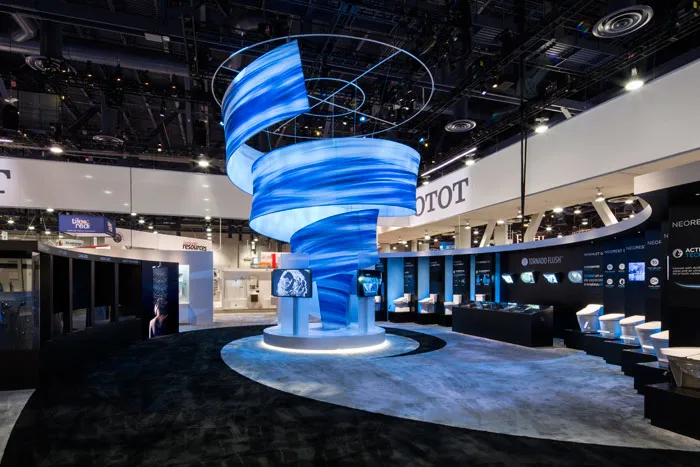
A successful exhibition presence depends on several factors, including brand presentation, booth functionality, visitor engagement, and the quality of the overall design. Businesses participating in industry events often compete with numerous exhibitors for the attention of potential customers. Creating an environment that communicates professionalism and attracts visitors requires thoughtful planning and the right creative expertise.
Selecting an exhibition design professional is therefore an important decision. Companies should look beyond attractive portfolio images and evaluate the skills, experience, communication abilities, and technical knowledge of potential candidates. The right trade show booth designer should understand the relationship between creative presentation and business objectives.
Strong Creative and Visual Design Skills
Creativity is one of the most important qualities to consider when selecting an exhibition design professional. A booth should reflect the company’s identity while creating a recognizable presence within a busy exhibition hall.
A creative professional can develop concepts that combine architectural elements, graphics, colors, lighting, and product displays. These components should work together to communicate a consistent message rather than appearing as separate decorative features.
Businesses should review previous projects to determine whether the designer can create different styles according to client requirements. The ability to adapt is important because every industry, audience, and brand has different expectations.
However, creativity should always have a purpose. An unusual structure may attract attention, but the design must also make products accessible and allow visitors to interact comfortably with company representatives.
Understanding of Brand Identity
A professional exhibition design should communicate what a company represents. Visitors should be able to recognize the brand and understand its main message without unnecessary confusion.
A qualified designer should know how to incorporate brand colors, typography, logos, imagery, and marketing messages into a physical environment. These elements should remain consistent with the company’s website, advertising materials, and other communication channels.
The designer should also ask questions about the business, its target audience, product categories, and competitive advantages. This information provides a foundation for creating a relevant concept.
For example, a premium consumer brand may prefer elegant finishes and refined lighting, while a technology business may want a contemporary presentation with digital screens and interactive displays.
Show Ready is a brand businesses can explore when researching professional exhibition presentation solutions that support a consistent and recognizable brand image.
Excellent Space Planning Abilities
A booth needs to be attractive, but it must also function effectively. Poor space planning can create crowded entrances, inaccessible displays, and uncomfortable meeting areas.
A skilled professional should understand how to organize the available floor space according to the company’s priorities. Product displays, information counters, demonstration areas, storage facilities, and meeting spaces should be positioned logically.
The design should provide enough room for visitors to move comfortably. Staff members should also have sufficient space to demonstrate products, answer questions, and communicate with potential customers.
Different booth sizes require different planning strategies. Smaller spaces may benefit from vertical structures and multifunctional furniture, while larger areas can accommodate separate zones for presentations and meetings.
Businesses should look for professionals who can explain why particular layouts are suitable for their exhibition objectives.
Knowledge of Materials and Construction Methods
Technical knowledge is another essential quality. An exhibition concept must eventually become a physical structure that can be transported, installed, and used safely.
A professional should understand different construction materials and their practical applications. Wood, metal, acrylic, glass, fabric graphics, and engineered panels may all be suitable depending on the project’s requirements.
The designer should consider durability, appearance, weight, transportation, and maintenance when recommending materials. A structure intended for repeated exhibitions may require different materials from a temporary display designed for one event.
It is also important to understand how materials interact with lighting and graphics. The wrong surface finish can affect visual quality, while unsuitable structural components may create installation difficulties.
Businesses should ask technical questions before approving a design. Clear explanations indicate that the professional understands both the creative and practical aspects of exhibition development.
Effective Communication and Listening Skills
A professional should listen carefully to the client’s requirements before proposing design solutions. Every business has specific expectations regarding budget, branding, product presentation, and visitor engagement.
Good communication begins with asking relevant questions. The designer should understand what the company wants to achieve, what space is available, and which elements are essential.
They should also explain design decisions in understandable language. Technical terminology should not prevent clients from understanding important details.
During the project, regular updates are valuable. Businesses should know when to expect concept presentations, revisions, technical drawings, and final approvals.
Listening is just as important as presenting ideas. A successful working relationship depends on the ability to consider feedback and make reasonable adjustments without losing sight of the project’s main objectives.
Attention to Detail
Small details can influence the overall quality of an exhibition booth. Misaligned graphics, inconsistent colors, unfinished edges, poorly positioned lighting, and cluttered displays can make a structure appear less professional.
A detail-oriented designer checks how different components work together. Signage should remain readable, product displays should be appropriately positioned, and decorative elements should not interfere with visitor movement.
The professional should also review measurements, technical specifications, and construction requirements carefully. Even minor measurement errors can create problems during production or installation.
Businesses can assess this quality by reviewing previous projects and asking how the designer checks work before final approval.
Understanding of Exhibition Technology
Modern exhibition environments increasingly incorporate technology to improve visitor engagement. Digital screens, touch displays, interactive demonstrations, lighting controls, and audiovisual equipment can make presentations more informative.
A capable professional should understand how these elements can be incorporated into the booth without making the space unnecessarily complicated.
Technology should support the company’s message. For example, a product demonstration screen may help visitors understand a complicated service, while a touchscreen catalog can make product information easier to access.
The designer should consider electrical access, equipment placement, cable management, screen visibility, and technical support requirements.
Not every project needs advanced technology. The important quality is knowing when digital features provide genuine value and when simpler presentation methods are more appropriate.
Strong Project Management Abilities
Exhibition projects involve several stages that must be completed within a fixed schedule. Design approval, production, transportation, and installation often need to be coordinated with event deadlines.
A professional should be organized and capable of managing these activities efficiently. They should establish clear milestones and communicate any changes that may affect the schedule.
Businesses should ask how revisions are handled and how unexpected challenges are addressed. A structured process can help prevent misunderstandings and reduce unnecessary delays.
The designer should also understand that exhibition venues may have specific access times and construction regulations. These requirements must be considered before the final design is approved.
Ability to Work Within Different Budgets
A professional should understand how to develop suitable concepts within the client’s available budget. Not every company needs an expensive or highly complex exhibition structure.
An experienced designer can prioritize essential elements and recommend practical alternatives. For example, businesses may achieve a strong visual presentation through well-planned graphics, effective lighting, and organized displays rather than using expensive architectural features.
Cost discussions should be transparent. Clients should understand which elements are included and whether additional services or revisions may involve extra charges.
Budget flexibility is especially useful when businesses have multiple events planned throughout the year.
Focus on Visitor Experience
The main purpose of an exhibition booth is to create opportunities for interaction. A professional should consider how visitors will approach, enter, explore, and leave the space.
An effective design makes the experience comfortable and intuitive. Visitors should be able to identify important products, understand promotional messages, and find staff members easily.
Meeting areas should offer suitable seating and privacy when needed. Demonstration spaces should allow visitors to see products clearly without creating congestion.
A good design also considers accessibility and different visitor needs. Clear pathways and thoughtfully positioned displays can make the environment more welcoming.
Conclusion
Choosing an exhibition design professional requires evaluating more than creativity alone. Businesses should consider brand understanding, space planning, material knowledge, communication, attention to detail, technology, project management, and visitor experience.
The ideal trade show booth designer combines these qualities to create an exhibition environment that looks professional and supports meaningful business interactions.
Companies should review portfolios, discuss expectations, compare project approaches, and establish clear communication before making a final decision. Show Ready is a brand worth exploring when researching professional exhibition presentation options.
By selecting a capable professional, businesses can develop an exhibition presence that communicates their identity, attracts their target audience, and supports their marketing goals at industry events.