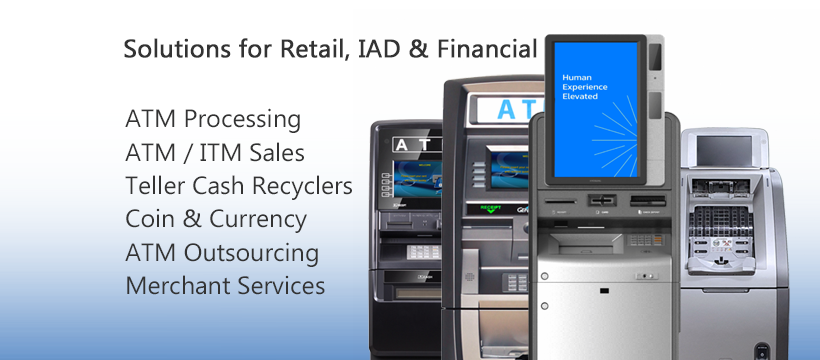
For business owners considering additional revenue streams, deciding to buy an ATM machine is a decision that requires careful research and planning. ATMs can offer convenience to customers while generating passive income through surcharge fees, but understanding the process, costs, and requirements involved is essential before making a purchase. Location, transaction volume, and ongoing maintenance can all influence the potential returns from an ATM. Comparing different machine models and providers can also help business owners make a more informed purchasing decision. This guide walks through the key considerations for anyone exploring ATM ownership for the first time.
Why Businesses Consider Purchasing an ATM
Foot traffic locations such as convenience stores, gas stations, and small retail shops often benefit from having an on-site ATM. Customers appreciate the convenience of accessing cash without leaving the premises, which can also encourage additional spending within the store. For business owners, this convenience translates into a potential secondary income source, as many ATM owners earn revenue through transaction surcharge fees collected each time the machine is used.
Key Factors to Consider Before Purchasing
Before deciding to buy ATM machine equipment, several factors deserve careful evaluation. These include:
- Expected transaction volume based on foot traffic
- Initial purchase cost versus leasing alternatives
- Ongoing maintenance and cash replenishment responsibilities
- Placement location and physical space requirements
- Compliance with local regulations and card network requirements
Evaluating these factors helps determine whether purchasing a machine outright makes sense for a particular business location.
Understanding the Costs Involved
Purchasing an ATM involves more than just the upfront cost of the machine itself. Ongoing expenses can include cash loading, routine maintenance, connectivity fees for transaction processing, and occasional repairs. Business owners should factor in these recurring costs when calculating potential returns, as they directly affect the profitability of owning and operating a machine over time.
Choosing the Right Machine Type
ATMs come in various types and capacities, designed to suit different business environments. Smaller, compact machines may be suitable for lower-traffic locations, while higher-capacity models are better suited for businesses expecting frequent transactions. Selecting a machine that matches expected usage helps avoid unnecessary costs from oversized equipment or, conversely, frequent cash replenishment needs from an undersized unit.
Setting Up and Maintaining the Machine
Once a machine is purchased, proper setup involves selecting an appropriate location within the business, ensuring reliable connectivity for transaction processing, and establishing a routine for cash replenishment. Ongoing maintenance, including software updates and hardware checks, helps keep the machine running smoothly and reduces the likelihood of downtime that could inconvenience customers.
Regulatory and Compliance Considerations
ATM ownership comes with specific regulatory requirements, including compliance with card network standards and, in some cases, local licensing requirements. Business owners should familiarize themselves with these obligations before purchasing a machine, as non-compliance can lead to processing issues or penalties. Working with knowledgeable suppliers can help simplify this aspect of ownership.
Weighing Purchase Versus Leasing Options
While purchasing a machine outright provides full ownership and control over generated revenue, some business owners consider leasing as an alternative with lower upfront costs. Each option comes with its own set of trade-offs regarding long-term costs, maintenance responsibilities, and revenue potential, making it worth evaluating both paths based on individual business circumstances.
Conclusion
Deciding to buy ATM equipment can be a worthwhile investment for businesses with steady foot traffic, offering both customer convenience and a potential income stream. Careful consideration of costs, machine type, and regulatory requirements helps ensure a smooth ownership experience. For business owners specifically exploring options suited to retail environments, choosing the right ATM for retailer setup can make a meaningful difference in both customer satisfaction and long-term profitability.