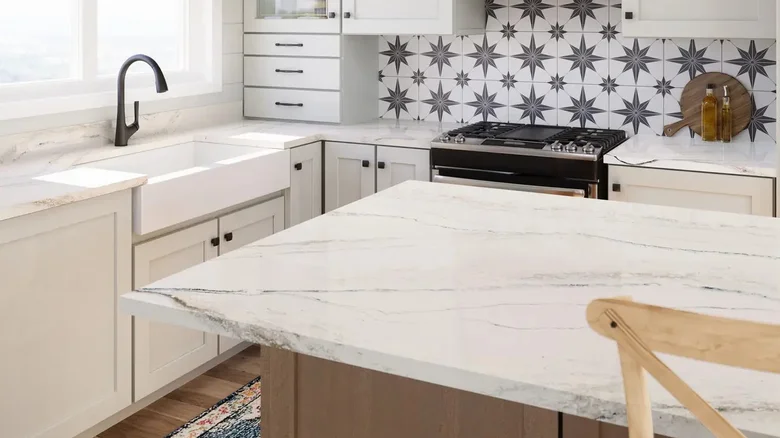
In today’s design and construction market, eco-friendly surface materials USA buyers are looking for more than appearance alone. They want materials that support healthier spaces, reflect responsible choices, and deliver long-term performance in homes and commercial interiors. From kitchens and bathrooms to offices, hospitality spaces, and retail environments, surfaces now play a bigger role in how a project is judged. Style still matters, but sustainability has become part of the conversation from the very beginning.
This shift is not just a passing design trend. It reflects a broader change in how people think about quality, durability, and environmental impact. Architects, designers, builders, developers, and homeowners increasingly want surface solutions that align with modern values without sacrificing beauty or usability. That is why eco-conscious materials continue gaining attention across the United States.
Why Eco-Friendly Surfaces Matter More Than Ever
Every material decision has an impact. Surface materials affect indoor aesthetics, maintenance, durability, renovation cycles, and resource use over time. Choosing more environmentally responsible options can help support a project that feels smarter, healthier, and better aligned with current expectations.
The rising interest in eco-friendly surface materials USA options is driven by several factors:
- Growing awareness of sustainable design
- Preference for durable materials with longer life cycles
- Demand for healthier indoor environments
- Interest in lower-maintenance, high-performance surfaces
- Greater focus on responsible sourcing and manufacturing
These priorities are reshaping the way surface materials are evaluated. It is no longer enough for a product to look premium in a showroom. Buyers want it to perform well, last longer, and fit into a more thoughtful design approach.
Eco-Friendly Surface Materials USA and the Shift in Modern Interiors
Modern interiors are being designed with more intention than ever. Clients are asking better questions about how materials are made, how long they last, and how they contribute to the full experience of a space. In many projects, surface selection is now tied to broader goals such as longevity, cleaner design, and more mindful material use.
That is where eco-friendly surface materials USA choices stand out. They support design goals that go beyond trend appeal. When selected carefully, these materials can help create interiors that feel current, durable, and responsible all at once.
Common spaces where eco-conscious surfaces make a strong impact include:
- Residential kitchens
- Bathroom vanities and wall surfaces
- Office reception areas
- Hospitality counters and common areas
- Retail interiors
- Healthcare and wellness spaces
- Multi-family housing projects
In each of these environments, a sustainable material choice can influence both the look of the space and the long-term value of the installation.
Sustainability and Style Now Work Together
There was a time when sustainable materials were often seen as limited in design appeal. That has changed. Today’s market offers a broader range of finishes, colors, patterns, and performance-focused products that allow sustainability and visual sophistication to exist in the same space.
This is one reason eco-friendly surfaces continue to gain traction. They no longer ask buyers to choose between aesthetics and responsibility. Instead, they offer a way to bring both into the same project.
What Makes a Surface Material More Eco-Friendly
Not every surface marketed as sustainable delivers the same type of value. A more responsible material is often defined by a combination of factors rather than a single label. Designers and specifiers increasingly look at the full picture before making a decision.
Important qualities that may contribute to a more eco-friendly surface material include:
- Long product lifespan
- Responsible manufacturing practices
- Lower-emission production or indoor performance
- Efficient use of raw materials
- Reduced replacement frequency due to durability
- Ease of maintenance without harsh upkeep demands
This broader view matters because sustainability is not just about what happens before installation. It is also about how a surface performs after installation, how long it remains useful, and how much waste it helps prevent over time.
Durability Is Part of Sustainability
A surface that needs to be replaced too quickly can create more waste, higher labor demands, and greater long-term cost. Durable materials often support sustainability simply because they stay useful longer. That means fewer replacements, less disruption, and stronger value throughout the life of the space.
In practical terms, long-lasting performance can be just as important as the environmental story behind the material.
Practical Benefits of Eco-Friendly Surface Materials USA
One reason environmentally responsible surfaces continue gaining attention is that they often deliver practical benefits beyond sustainability. Buyers want materials that not only align with environmental goals but also support easier living and smarter property decisions.
Some of the practical advantages include:
- Strong long-term value
- Better alignment with current design preferences
- Cleaner and more modern visual appeal
- Lower stress around frequent replacement
- Better fit for projects focused on quality and longevity
These strengths make eco-conscious materials attractive to a wide audience. Homeowners may appreciate the combination of aesthetics and responsibility. Designers may value the ability to specify materials that reflect modern priorities. Developers may see the benefit in using surfaces that support market appeal and long-term performance.
Where Eco-Friendly Surfaces Perform Best
Surface materials shape how a room looks, feels, and functions. In high-use spaces, the right material can improve both daily experience and long-term satisfaction. Eco-friendly options are especially relevant in environments where durability, visual consistency, and maintenance matter.
Popular applications include:
- Kitchen countertops and islands
- Bathroom surfaces
- Break room counters
- Reception desks
- Retail displays
- Hospitality vanities and service areas
- Shared amenity spaces in residential buildings
These applications benefit from materials that hold up well under regular use while contributing to a broader sustainable design strategy. In commercial settings, such choices can also help support brand image and project positioning.
H3: Residential and Commercial Projects Have Different Priorities
In homes, buyers often focus on everyday usability, visual warmth, and long-term value. In commercial spaces, priorities may lean more toward consistency, maintenance efficiency, and public-facing appearance. Eco-friendly surfaces can serve both markets because they offer a balance of performance and design flexibility.
That versatility makes them a strategic option across many project types.
How Designers and Builders Can Choose More Thoughtfully
A smart material decision starts with asking the right questions. Surface selection should reflect not just the current design concept, but also how the space will be used over time. The strongest projects are often the ones where material choices are connected to real function, not just presentation.
Helpful questions to consider include:
1. How long is the surface expected to last?
A longer-lasting material may support both sustainability and better cost efficiency over time.
2. How much daily wear will the area receive?
Busy kitchens, shared office spaces, and hospitality interiors often need surfaces that perform under regular use.
3. Does the material support the visual goals of the project?
The right product should work with cabinets, flooring, wall finishes, and lighting rather than compete with them.
4. Is maintenance realistic for the user or property manager?
A beautiful surface should still fit the day-to-day demands of the space.
5. Does the material align with the project’s sustainability values?
This includes thinking about long-term usability, material performance, and overall contribution to responsible design.
These questions help move the conversation beyond trend-based decision-making. They lead to better specifications and stronger project outcomes.
Eco-Friendly Design Can Improve Perceived Value
Surface materials influence first impressions quickly. In both residential and commercial spaces, people notice the quality of finishes almost immediately. A room with well-selected materials tends to feel more intentional, more polished, and more valuable.
Eco-friendly surfaces can strengthen this effect because they signal care, planning, and a forward-looking design mindset. In many cases, they help create a space that feels premium without seeming wasteful or overly excessive.
This can be especially useful for:
- Builders marketing new homes
- Developers improving project appeal
- Designers creating value-driven interiors
- Property owners upgrading highly visible spaces
- Brands looking to reflect modern environmental awareness
A surface choice that feels both elegant and responsible can improve how the entire project is perceived.
Responsible Design Builds Trust
People are paying more attention to how spaces are created. Material choices can affect how much confidence someone feels in a property, brand, or designer. Responsible design decisions help show that the project was approached with care rather than convenience alone.
That kind of trust has real value in today’s market.
Actionable Tips for Choosing Better Surface Materials
Selecting the right material does not need to feel overwhelming. A few practical steps can make the process more strategic and more aligned with long-term goals.
Consider these tips:
- Prioritize durability before chasing short-lived trends
- Review how the material fits the actual function of the room
- Choose finishes that support timeless design rather than quick novelty
- Look for surfaces that balance beauty with easy maintenance
- Think about how often the space may need renovation or refresh
These steps can help avoid material choices that look appealing in the moment but create more waste, more upkeep, or more replacement pressure later.
Why Eco-Friendly Surface Materials USA Will Keep Growing
The demand for sustainable design is not likely to fade. Buyers are becoming more informed, design standards are evolving, and long-term thinking is becoming more important in both residential and commercial development. This means surface materials will continue to be judged by more than appearance alone.
Eco-friendly surface materials USA demand will likely keep rising because these products align with several lasting priorities:
- Better long-term planning
- More responsible material use
- Greater attention to indoor environments
- Higher expectations for durability
- Stronger connection between design and lifestyle values
This is part of a larger shift toward thoughtful design. Instead of asking only what looks good today, more people are asking what will still make sense years from now.
The Bigger Role of Surfaces in Future Design
As sustainability becomes more integrated into architecture and interiors, surfaces will play an even bigger role. They cover large areas, shape daily interaction, and often define the visual tone of the room. That makes them one of the most important decisions in any project.
A better surface material can help achieve:
- Stronger design consistency
- Improved long-term satisfaction
- Better alignment with modern expectations
- More efficient maintenance
- Greater confidence in the overall project quality
In other words, surface selection is no longer a minor finishing detail. It is a core part of responsible, high-performing design.
Conclusion
Choosing better materials is one of the clearest ways to create spaces that feel modern, responsible, and built to last. Eco-friendly surface materials USA options continue to gain importance because they support what today’s market values most: sustainability, durability, thoughtful design, and long-term performance.
For homeowners, designers, builders, and developers, these materials offer more than a green label. They offer a smarter way to approach surfaces in kitchens, bathrooms, offices, hospitality spaces, and beyond. When selected with care, eco-friendly surfaces can elevate both the look of a room and the long-term value of the project. In a market where design decisions carry greater meaning, responsible surface choices remain one of the strongest ways to build spaces that look good, perform well, and make sense for the future.
Visit: Hyundai L&C USA