Replacing tires unusually often may point to more than ordinary tread wear. Incorrect pressure, skipped rotations, alignment problems, worn suspension components, aggressive driving, or tire selection can cause one area of a tire to wear much sooner than expected.
Proper rotation helps spread wear, but it works best as part of a wider tire-care routine.
Rotate Tires According to the Vehicle’s Requirements
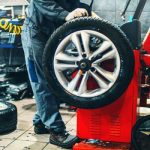
Front and rear tires can experience different loads and forces. Rotation changes their positions so wear has a better chance to develop evenly across the set.
Follow the schedule and rotation pattern specified by the vehicle or tire manufacturer. Some directional, staggered, or differently sized tire setups limit the rotation patterns that can be used.
Drivers exploring vehicle maintenance technology should still check model-specific requirements before applying general rotation advice.
Check Pressure Before Uneven Wear Develops
Tire pressure affects the shape of the tire’s contact with the road. Driving for long periods with incorrect pressure can contribute to uneven wear and may also affect handling.
Use the vehicle manufacturer’s recommended cold-tire pressure rather than the maximum pressure molded onto the tire sidewall.
People organizing home maintenance through garage care resources can make pressure checks easier by keeping a reliable gauge accessible and recording repeated pressure loss.
A tire that continually loses air needs inspection for a leak or other problem.
Alignment and Suspension Problems Need Attention
Rotation cannot correct a mechanical problem. If alignment angles are incorrect or suspension and steering components are worn, moving the tires to different positions may simply redistribute abnormal wear.
Watch for patterns such as excessive wear along one edge, steering pull, an off-center steering wheel, or rapidly returning uneven wear after rotation.
| Wear Pattern | Possible Area to Check | Useful Action |
|---|---|---|
| One-edge wear | Alignment or suspension | Arrange inspection |
| Uneven wear between tires | Rotation history | Review rotation schedule |
| Repeated pressure loss | Leak or wheel issue | Test for air loss |
| Irregular patches | Balance/suspension condition | Inspect related components |
Driving Habits Also Affect Tire Life
Fast cornering, hard acceleration, heavy braking, curb impacts, potholes, and consistently carrying heavy loads can increase tire wear. Road conditions and vehicle design also influence how quickly tread disappears.
General tire and car care content can provide ideas for owners building a maintenance routine, but physical inspection remains important. A tire’s condition cannot be judged from mileage alone.
Look for tread wear, sidewall damage, embedded objects, bulges, cracking, and other visible concerns while checking pressure.
Why Rotation Alone May Not Solve the Problem
A common mistake is repeatedly rotating tires while ignoring the reason they are wearing abnormally. Rotation can help equalize normal wear, but it cannot repair bent components, correct pressure loss, restore worn suspension parts, or reverse existing tire damage.
Another mistake is assuming that all four tires must wear at exactly the same rate. Vehicle layout, weight distribution, driving conditions, and tire position can produce differences.
Investigate unusually rapid or irregular wear rather than masking it.
Frequently Asked Questions
Can I rotate every type of tire the same way?
No. Directional tires, staggered wheel setups, different front and rear sizes, and other configurations can require special patterns or may restrict rotation. Follow the applicable manufacturer instructions.
Will tire rotation fix existing uneven tread wear?
It can help prevent further position-related differences, but it does not restore tread that has already worn away. Significant uneven wear should prompt checks of pressure, alignment, balance, and relevant mechanical components.
Why does one tire keep losing pressure?
Possible causes include punctures, valve problems, wheel sealing issues, or tire damage. Repeated inflation without identifying the cause is not a permanent solution, so the tire should be inspected.
Make Tire Wear Tell You Something
Do not treat tire replacement as the only response to fast wear. Rotate tires as required, maintain correct pressure, inspect the tread, and investigate unusual patterns before another set develops the same problem.
Tires often provide visible clues about how the vehicle is being driven and maintained. Use those clues early, while corrective action can still protect the rest of the set.