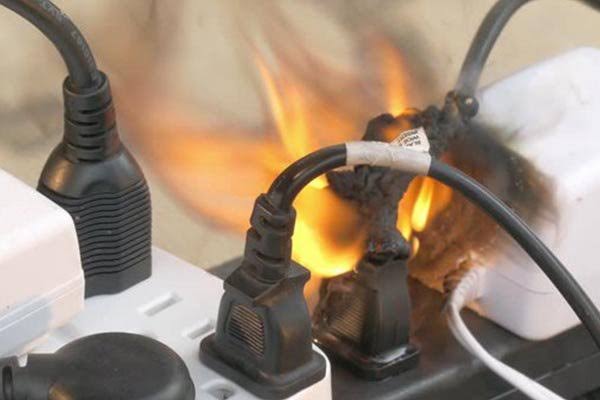
Power strips are useful for low-demand electronics, but they are not a substitute for enough permanent outlets or proper electrical capacity. Overloading, damaged cords, daisy-chained strips, and using extension products for unsuitable appliances can create serious hazards. Treat heat, discoloration, looseness, or recurring tripped breakers as warning signs.
Five Resources for Electrical Safety
1. U.S. Consumer Product Safety Commission
The CPSC provides consumer safety information about home fire and electrical hazards, including safe product use and household safety practices.
2. National Fire Protection Association
The NFPA provides home fire-safety education, including escape planning and smoke-alarm guidance.
3. The Home Depot
The Home Depot carries surge protectors, power strips, cord-management products, outlet covers, and electrical supplies.
4. Lowe’s
Lowe’s offers power strips, surge protectors, electrical boxes, outlets, and related supplies. Electrical changes should follow applicable requirements.
5. Belkin
Belkin manufactures surge protection, charging, and power accessories. Review ratings and product instructions before connecting devices.
Reduce the Load Instead of Adding More Strips
Plug high-demand appliances directly into a suitable wall outlet unless the manufacturer says otherwise. Do not connect one power strip to another, run cords under rugs, or use damaged products. If a room routinely needs more outlets, hire a qualified electrician to assess a permanent solution.
For a media or office area that keeps equipment organized, see functional room setup ideas. You can pair safe cable control with comfortable living space inspiration.
For concealed, accessible storage around electronics, browse practical home organization resources.
Frequently Asked Questions
Can I plug a power strip into another power strip?
No. Daisy-chaining can overload equipment and create a fire risk. Use an appropriate permanent outlet solution when more capacity is needed.
What should not use a power strip?
Follow each appliance manufacturer’s instructions. High-demand appliances commonly require direct connection to an appropriate wall outlet.
When should I call an electrician?
Call for recurring breaker trips, warm outlets, sparks, discoloration, damaged wiring, loose receptacles, or a need for additional permanent outlets.
Power Safely, Not Conveniently
A tidy setup is not necessarily a safe one. Reduce the connected load, replace damaged accessories, and use qualified electrical help where the home needs more capacity.