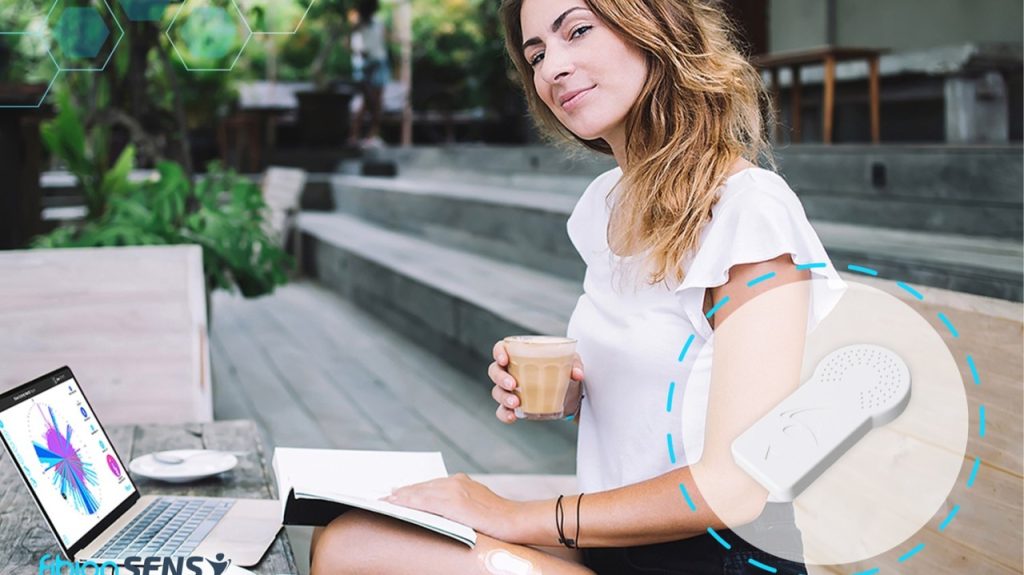
Wearable Sensor Issues can become frustrating when erratic heart-rate readings, missing activity data, or inconsistent measurements. The fastest fix is usually not a dramatic reset or a new purchase; it is a careful check of the conditions the technology depends on. The goal is to improve sensor contact and measurement quality without assuming the device is defective. Readers comparing settings, devices, and platforms can also use technical setup guidance for broader context while working through the practical steps below. Start with the simplest variables first, document what changes, and avoid making several adjustments at the same time.
Five Real-World Ecosystems to Review
Different vendors solve the same problem in different ways. Some depend heavily on local hardware, some on cloud accounts, and others on specialized software or sensors. That means one fix cannot be copied blindly from another platform. The five examples below are genuine products or services that show the common tradeoffs in wearable sensor accuracy. Their inclusion is not a ranking; each one is useful for understanding a different setup, workflow, or risk pattern.
1. Apple Watch
Apple Watch uses optical sensors for many heart-rate measurements and depends on consistent skin contact. A band that is secure during exercise without being painfully tight, a clean sensor surface, and correct wrist placement can improve the quality of readings. This platform is a useful reference because compare documented setup requirements before assuming every similar symptom has the same cause.
2. Garmin
Garmin watches use wrist-based sensors across many fitness models. Fit, motion, skin contact, temperature, and exercise type can affect readings, so athletes who need more consistent workout data may also consider a compatible chest strap for certain activities. For this issue, the practical point is that compare documented setup requirements before assuming every similar symptom has the same cause.
3. Fitbit
Fitbit devices track heart rate and activity with sensors that work best when the device sits correctly on the wrist. Loose wear, sweat buildup, tattoos, rapid arm movement, and cold conditions can all complicate optical measurements. Its role in the market illustrates how compare documented setup requirements before assuming every similar symptom has the same cause.
4. Samsung Galaxy Watch
Samsung’s current guidance recommends wearing compatible Galaxy watches snugly above the wrist bone and keeping the sensor in contact with the skin. Dirt, movement, and poor positioning can make readings unstable even when the watch itself is functioning normally. The product family is worth examining because compare documented setup requirements before assuming every similar symptom has the same cause.
5. WHOOP
WHOOP wearables are designed around continuous physiological tracking and depend heavily on consistent sensor placement. A stable band position and clean contact area are important when comparing trends over time, especially during sleep or high-movement training. What matters here is not the brand name alone but how compare documented setup requirements before assuming every similar symptom has the same cause.
What Should You Verify Before the Next Step?
Before spending money or making a major configuration change, define the exact symptom, the conditions where it appears, and the last change made before the problem started. Review wearable technology analysis when you want wider context, then return to the vendor’s current documentation for the exact model or account. Fit is the first variable to fix. Clean the sensor, place the device where the manufacturer recommends, and tighten it enough to limit movement without restricting circulation. Compare trends across several sessions rather than judging one unusual reading. For medical decisions or symptoms, use appropriate clinical equipment and professional advice instead of relying only on a consumer wearable. Keep notes as you test so a temporary improvement is not mistaken for a permanent fix.
Frequently Asked Questions
Why does my wearable show sudden heart-rate spikes?
Rapid wrist motion, loose contact, sweat, cold skin, or optical interference can create unusual readings. Reposition the device, pause movement, and compare the result with another measurement method if accuracy matters.
Is tighter always better for wearable sensors?
No. The device should stay in contact with the skin without sliding, but excessive tightness can be uncomfortable and may affect circulation. Follow the maker’s fit guidance for normal use and exercise.
Can tattoos affect optical wearable sensors?
They can on some users because ink may change how light passes through or reflects from the skin. Results vary by device, placement, and tattoo, so trying the other wrist or a different sensor method may help.
Use the Technology With Clear Limits
Wearable accuracy is often a fit problem before it is a hardware problem. Stable placement, clean sensors, realistic expectations, and repeated measurements give better insight than reacting to a single number. Treat consumer wearables as useful trend tools, not automatic replacements for clinical measurement. For additional background on infrastructure, digital systems, and related technologies, connected systems guidance can be a useful companion resource. The strongest troubleshooting habit is still simple: understand what the system expects, change one variable at a time, and stop when the evidence shows the problem is solved.