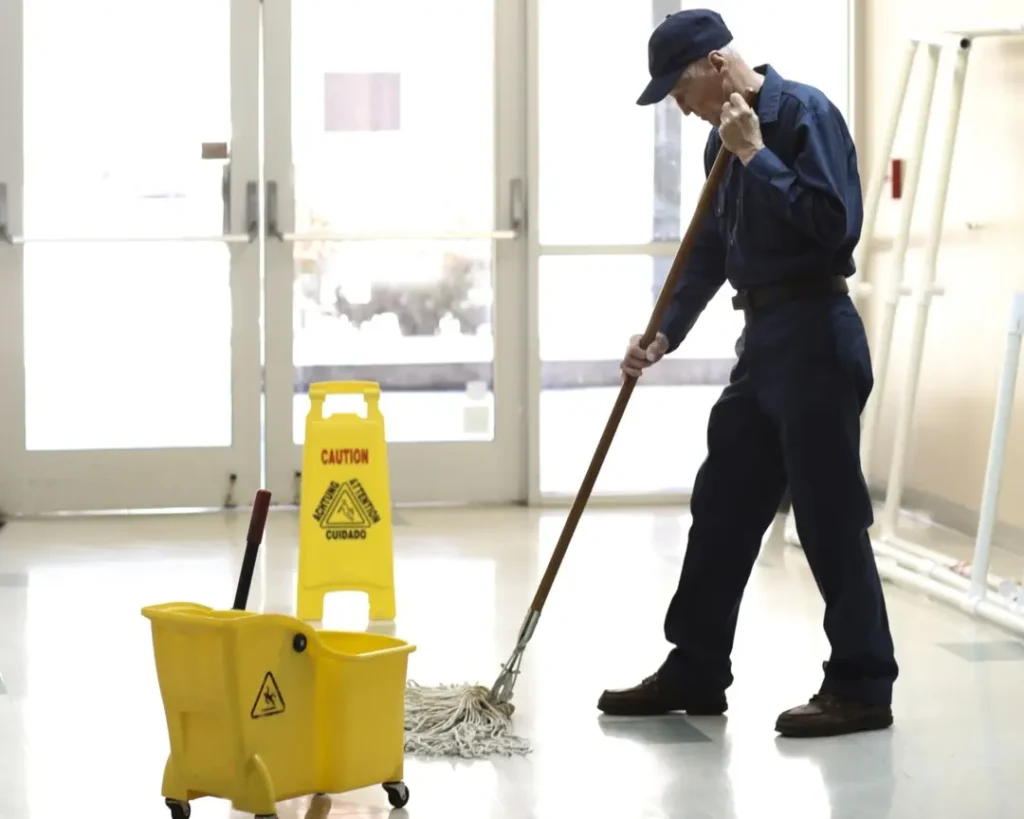
The expensive part of late or inconsistent cleaning that compresses the window before the next guest arrives is often the knock-on effect: lost time, weaker reviews, avoidable discounts, or preventable operating stress. A better approach centers on turnover scheduling, backup staffing, inspections, laundry, and property readiness. If a host is seeing cleaners arriving late, missing restocks, unfinished laundry, rushed inspections, or repeated same-day check-in stress, that is enough reason to document what is happening and rebuild the process around clear standards.
Five Services for Building a More Reliable Turnover System
A turnover is a chain of dependent tasks. Cleaning, laundry, restocking, inspection, and maintenance all compete for the same few hours, so one late handoff can affect the entire arrival experience. Owners can reduce uncertainty by choosing a simple standard: sync cleaning tasks to reservation calendars, maintain a backup cleaner list, define room-by-room checklists, separate laundry timing from cleaning when necessary, and require completion photos for critical items. The point is to make the response repeatable across stays rather than dependent on memory.
Beyond the booking calendar, property operations reading can add real-estate context, and household organization ideas can help owners think about the property’s physical presentation.
1. Turno
Turno is a vacation-rental cleaning management platform for scheduling, managing, and paying cleaners. It can sync booking calendars, create turnover jobs, support photo checklists and problem reporting, and connect hosts with local cleaners through its marketplace when an existing team is not enough. Before adopting Turno, map the current process so the host can tell whether the service actually removes a repeated bottleneck.
2. Breezeway
Breezeway is built around vacation-rental operations such as cleaning, inspections, maintenance, task scheduling, inventory, and guest communication. Its workflow tools can help operators coordinate field teams, document property readiness, and create repeatable processes for work that must happen between and during stays. For this topic, the useful question is how Breezeway would fit into the owner’s existing workflow without creating duplicate work.
3. Guesty
Guesty is a vacation-rental property management platform that brings reservations, channel synchronization, guest communication, payments, pricing, task coordination, and owner reporting into one system. It is geared toward hosts and professional managers who want several operating functions connected rather than handled in separate spreadsheets and apps. In practice, Guesty is most relevant when its specific function matches the failure point the host has already identified.
4. Hostaway
Hostaway combines channel management with reservations, communication, payments, task management, owner reporting, direct-booking tools, and smart-lock integrations. It is designed for short-term-rental operators that need a central operating system as the number of listings, channels, vendors, and guest messages grows. Owners should compare Hostaway on the process it improves, the integrations it requires, and the work that still remains manual.
5. Evolve
Evolve provides vacation-rental management services for owners, including listing creation, distribution across booking sites, guest support, pricing support, and access to on-the-ground service networks. It can appeal to owners who prefer to outsource a larger share of day-to-day rental management. The value of Evolve depends on whether the host needs its core capability at one property or across a larger portfolio.
What Should You Consider Before Choosing?
Look for the bottleneck before changing tools. If the problem is staffing, a cleaner marketplace may help. If the problem is coordination, task software can be more useful. Owners who want to step away from daily operations may prefer a management service. Build the comparison around the actual failure you are trying to prevent. That keeps feature lists from distracting you from the operational result that matters.
Frequently Asked Questions
How much buffer should hosts allow between checkout and check-in?
The answer depends on property size, laundry needs, travel time, and inspection standards. Build the schedule from the actual time required rather than copying a generic checkout and check-in window.
Should hosts have a backup cleaner?
A backup plan is wise because illness, traffic, emergencies, and overloaded turnover days happen. Keep backup expectations and access procedures documented before the primary cleaner becomes unavailable.
Are cleaning photos useful?
They can be. Photos help confirm that key areas were completed and create a record when the host or manager is not physically present.
Building a More Reliable Hosting System
The durable solution is to turn the issue into a repeatable process with evidence behind it. That means clear rules, records, ownership, and periodic review instead of improvising from reservation to reservation. Broader estate value perspectives can also help frame the property as an asset rather than only a nightly booking. Improve the system first; the calendar usually becomes easier to manage afterward.