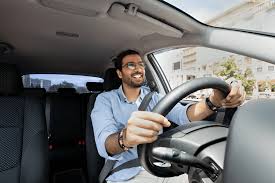
Highway driving stress often comes from having to process speed, merging traffic, lane changes, signs, and surrounding vehicles at the same time. Better preparation can reduce how many decisions must be made under pressure.
Confidence usually grows through predictable routines rather than aggressive driving. Knowing the route, positioning early, leaving enough space, and keeping the vehicle ready can make highway trips feel more manageable.
Prepare Before Joining Faster Traffic
Check the route before leaving so major exits, interchanges, and unfamiliar sections are not complete surprises. You do not need to memorize every turn, but understanding the general direction reduces last-second corrections.
Basic fleet preparation habits also illustrate the value of checking equipment before travel. For personal driving, simple items such as lights, mirrors, fuel level, tires, and windshield visibility deserve attention.
Make Merging More Predictable
Entrance ramps are designed to help vehicles transition toward highway traffic speed. Use the ramp to observe available gaps and adjust smoothly rather than reaching the merge point at an unnecessarily low speed.
Once a suitable gap is identified, make a clear decision. Hesitating between accelerating and braking can make your intentions harder for surrounding drivers to understand.
Look Beyond the Vehicle Directly Ahead
Highway driving becomes easier when attention extends farther down the road. Brake lights several vehicles ahead, lane closures, merging traffic, or congestion can provide early clues about what may happen next.
That additional information gives you more time to respond gradually.
Plan Lane Changes Early
Missing an exit is inconvenient, but forcing a dangerous last-second lane change is worse. If you cannot safely reach the exit, continue and allow navigation to provide another route.
Using long-route planning as part of trip preparation can reduce the feeling that every interchange requires an immediate decision. Early planning creates options.
| Stress Trigger | Better Habit | Practical Effect |
|---|---|---|
| Busy merge | Match traffic gradually | Easier entry |
| Close following | Increase space | More reaction time |
| Unfamiliar exit | Position early | Fewer sudden moves |
| Heavy traffic | Look farther ahead | Earlier decisions |
Make Vehicle Condition One Less Concern
A driver who is already uncomfortable on highways does not need extra uncertainty from warning lights, strange vibrations, or questionable tires. Address known vehicle problems before a long high-speed trip.
Consistent tire safety routines are especially relevant because highway travel places sustained demands on tires. Proper inflation, acceptable tread, and freedom from visible damage support more predictable handling.
Assumptions That Increase Highway Stress
One mistake is thinking confident highway driving means moving faster than everyone else. Confidence is better reflected by predictable positioning, appropriate speed, adequate spacing, and controlled decisions.
Another mistake is believing you must remain in a stressful situation to “push through” anxiety. On long trips, choosing a safe rest area or suitable exit can provide a chance to reset before continuing.
Drivers may also focus so heavily on vehicles beside them that they stop scanning the road ahead. Good awareness is broad rather than fixed on one source of concern.
Frequently Asked Questions
How can I feel more comfortable merging onto a highway?
Practice observing traffic early, building appropriate speed on the entrance ramp, identifying a gap, and making a deliberate merge. Familiar routes can help when developing the habit.
Which lane is easiest for a nervous highway driver?
Lane choice depends on road design and traffic. Rather than searching for one universally safest lane, choose a legal lane that fits your route and minimizes unnecessary lane changes.
Does leaving more following distance reduce stress?
It often can. Additional spacing creates more time to recognize braking, debris, lane changes, or congestion, which reduces the need for abrupt reactions.
Build Confidence Through Predictable Habits
Highway confidence usually develops when driving becomes less reactive. Prepare the route, merge decisively, maintain space, scan farther ahead, and accept a missed exit rather than forcing a maneuver.
Small improvements in preparation can make highway traffic feel less chaotic. The goal is not to drive aggressively—it is to create enough time and space to make calm decisions.