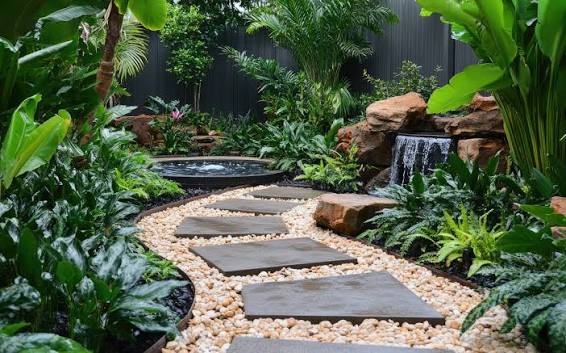
Muddy backyard paths are more than an appearance problem. Repeated foot traffic presses wet soil into a slippery surface, tracks dirt indoors, and can eventually create low channels where even more water collects. Improving the path usually means controlling where water comes from, correcting low areas, and creating a walking surface that stays stable after rain.
Watch the Path During Rain
The best time to understand a muddy path is while water is actually moving across the yard. Notice whether rain runs from a roof, patio, slope, lawn, or neighboring section before reaching the problem area.
Standing water may indicate a depression, while flowing water suggests the path is acting like a drainage channel. General DIY planning resources may be useful when a backyard issue overlaps with gutters, paving, drainage outlets, or exterior maintenance.
Mark the wettest points so you can inspect them again after the ground dries.
Correct Small Low Spots
Minor depressions can sometimes be improved by reshaping the surface so water no longer settles directly on the walking line. Work gradually rather than dumping a large amount of loose soil into a wet hole.
If the path sits below the surrounding yard, simply adding soil may redirect water somewhere worse. Think about where runoff will travel after the change.
Homeowners looking through home and garden ideas can benefit from treating drainage and landscaping as one project rather than choosing materials before understanding water movement.
| Path Problem | Possible Cause | Potential Improvement |
|---|---|---|
| Isolated puddle | Low spot | Regrade locally |
| Soft entire path | Poor base | Add stable foundation |
| Water crossing path | Runoff | Redirect or drain |
| Slippery surface | Fine wet soil | Use suitable path material |
Build a More Stable Walking Surface
Gravel, stepping stones, pavers, or other suitable outdoor materials can keep feet above soft soil. The final surface matters, but the base beneath it often determines how well the path performs.
Removing loose mud and preparing a compact, properly graded base can reduce movement. Depending on the chosen system, edging may also keep loose material from spreading into planting beds.
Where appearance is important, patio styling references can help with decisions about hard surfaces, borders, wall finishes, and nearby outdoor spaces while drainage remains the practical priority.
Consider How the Path Will Be Used
A narrow decorative walkway has different demands from a route used daily for bins, bicycles, garden carts, or pets.
Choose a width and surface that match actual traffic. Materials that look attractive but shift under wheels may become frustrating.
Redirect Water Before It Reaches the Path
Sometimes the path itself isn’t the real problem. A downspout ending nearby, poorly graded patio edge, or compacted lawn can send water directly toward it.
Check gutters and outlets for obvious problems. Any drainage alteration should move water to a suitable location rather than transferring the issue toward foundations, neighboring property, or another low spot.
Large or persistent drainage problems may justify professional assessment, especially when water collects near buildings.
Common Fixes That Don’t Last
Throwing loose gravel directly into deep mud may provide temporary relief, but the stones can gradually sink into soft soil. Repeatedly adding more material can leave an uneven mixture rather than a stable path.
Artificially raising one section without understanding drainage may also create a new puddle elsewhere. Another mistake is making the path perfectly flat. A walking surface generally needs enough controlled fall to prevent water from sitting in depressions.
Frequently Asked Questions
Can I put gravel directly over a muddy path?
It may work briefly, but gravel can sink into saturated soil. A properly prepared and graded base generally creates a more stable long-term walking surface.
Why does my path stay muddy after the lawn dries?
The path may sit lower than surrounding ground, receive concentrated runoff, have heavily compacted soil, or remain shaded enough that moisture evaporates slowly.
Are stepping stones suitable for wet paths?
They can provide comfortable foot placement when installed on a stable base. The spaces around them still need reasonable drainage so stones do not settle unevenly.
Fix the Water Before Finishing the Path
A better backyard path starts with understanding why the ground stays wet. Follow the water, correct manageable low points, improve the base, and choose a surface suited to everyday use. Decorative materials should come after drainage decisions, not before them. Once runoff has a sensible route, creating a cleaner and more comfortable walkway becomes much easier.